


The global energy market is entering a decisive phase, bringing renewed focus to the debate of oil vs natural gas analysis. With shifting supply patterns, geopolitical pressures, and evolving demand cycles, traders are closely tracking which commodity, crude oil or natural gas, holds stronger upside in the near term. This quarter’s outlook reveals compelling opportunities in both assets, but their performance trajectories and volatility patterns differ significantly.
Crude oil remains one of the best energy commodities to trade, particularly as geopolitical tensions and OPEC+ production strategies influence supply expectations. According to the broader oil and gas market outlook 2025, production cuts, Middle East tensions, and fluctuating U.S. inventory data are likely to drive short-term volatility. This makes crude a high-potential asset for traders who thrive in fast-moving markets.
A strong comparison of crude oil and natural gas investments reveals that oil typically responds more quickly to global macroeconomic cues. Factors such as global manufacturing activity, U.S. inflation data, and Chinese economic recovery trends directly influence oil demand. Many analysts expect moderate gains in the crude oil price forecast this quarter, thanks to tighter supply conditions and a pickup in seasonal demand.
However, this upside comes with elevated risk. Liquidity is high, volatility remains strong, and price swings of $2 to $4 per session are becoming more frequent, highlighting the need for well-timed entries and disciplined risk management.
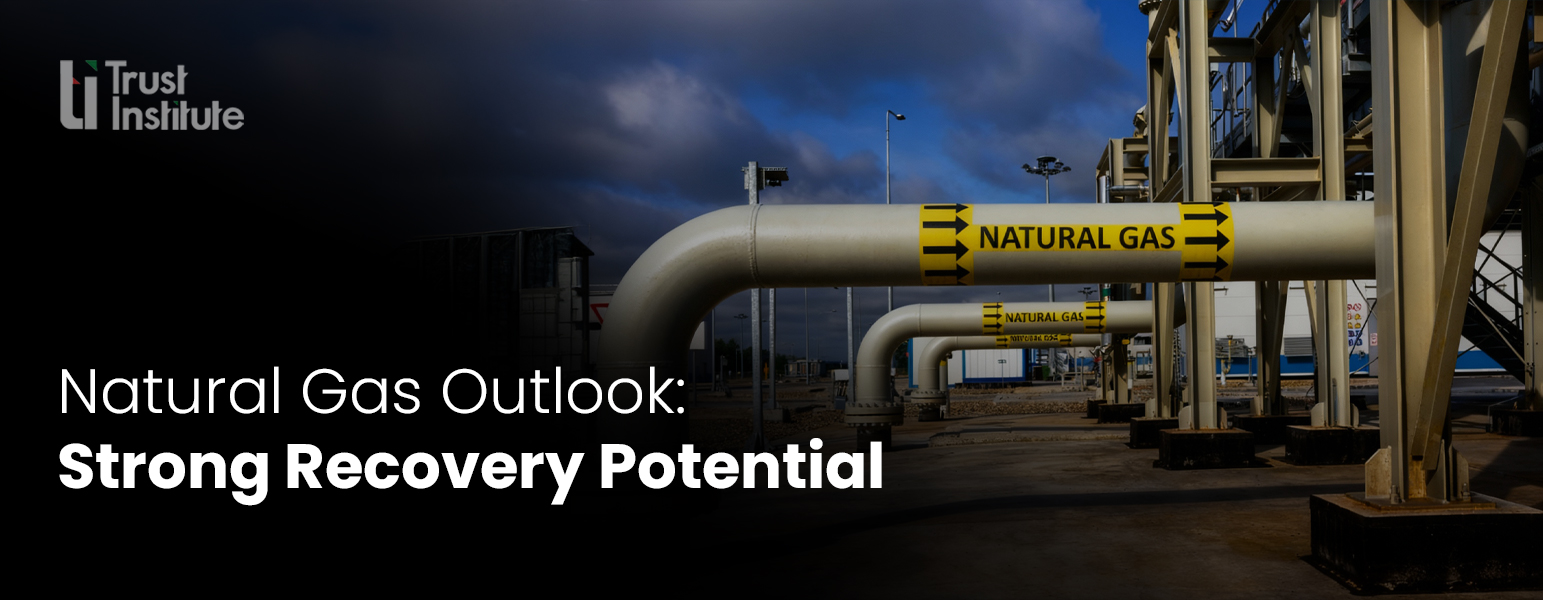
On the other side of the energy spectrum, natural gas is gradually emerging as a quieter yet promising contender this year. The natural gas market trends 2025 indicate a potential recovery phase, supported by rising LNG exports, colder-than-expected seasonal forecasts, and structural demand from Asian markets.
The natural gas price forecast 2025 remains optimistic, particularly as Europe continues diversifying away from Russian supply and the U.S. expands LNG terminal capacity. While natural gas is historically more volatile than oil, current fundamentals indicate a transition from oversupply to a more balanced market, which could support gradual price appreciation.
Compared to crude oil, natural gas often sees delayed but sustained market responses. For traders looking for medium-term opportunities, the gas market offers a more stable accumulation zone with less geopolitical disruption than oil.
To determine oil vs natural gas performance, traders must monitor the following energy market trends in 2025:

These drivers collectively shape the global energy commodities outlook, making energy assets one of the most dynamic trading categories this quarter.
Choosing between oil and gas requires aligning your risk appetite with market conditions. A strong oil vs gas trading strategy involves observing volatility, identifying trend setups, and diversifying positions across both assets when necessary. Oil presents short-term, high-volatility opportunities, while natural gas offers longer-term accumulation and reversal plays.
For active traders, oil’s intraday movements create frequent setups. For positional traders, natural gas provides value zones with the potential for sustained gains as fundamentals tighten.
The final verdict in the energy asset comparison 2025 is that both commodities hold potential, but in different ways. Crude oil may deliver faster returns driven by geopolitical catalysts and production cuts, making it ideal for traders who prefer volatility. Natural gas, meanwhile, presents a steadily improving outlook supported by growing LNG demand and structural market shifts.
Together, these factors highlight significant oil and gas trading opportunities this quarter. With the right strategy, traders can leverage the strengths of both markets and stay ahead of rapidly evolving global energy trends.

موقعنا هنا
© معهد ترست للتدريب والتطوير 2026































 +971 58
530 0370
+971 58
530 0370