


Learning to trade can feel overwhelming at first. With endless strategies, market fluctuations, and information overload, it’s natural to question whether you’re actually improving. Many beginners struggle to know whether learning to trade works, especially in the early stages. The good news is that progress in trading follows certain patterns, and if you recognize them, you can confidently move forward.
Here are five clear signs of good trading progress that show you’re learning to trade the right way.
One of the earliest signs of success in trading education is when your mindset shifts from making quick money to following a structured approach. Beginners often chase profits, but serious learners start valuing discipline and consistency.
If you’ve begun to:
Then you’re building the right habits. This shift is essential in any trading learning progress guide, as long-term success depends on process, not luck.
Losses are unavoidable in trading, but how you handle them defines your growth. If you no longer panic or make impulsive decisions after a loss, it’s a strong indication of progress.
You’re improving if you:

Understanding that losses are part of the journey is one of the key trading education success signs and a major step in mastering emotional control.
Overtrading is a common mistake among beginners. As you gain experience, you become more selective and patient.
A clear answer to how to know if learning trading works is when:
This discipline reflects that you’re applying essential beginner trading learning tips and developing a professional approach.
Another major milestone in your trading learning progress guide is understanding that no strategy guarantees success every time.
If you’ve started to:
Then you’re thinking like a trader, not a gambler. This mindset shift is one of the strongest signs of good trading progress.
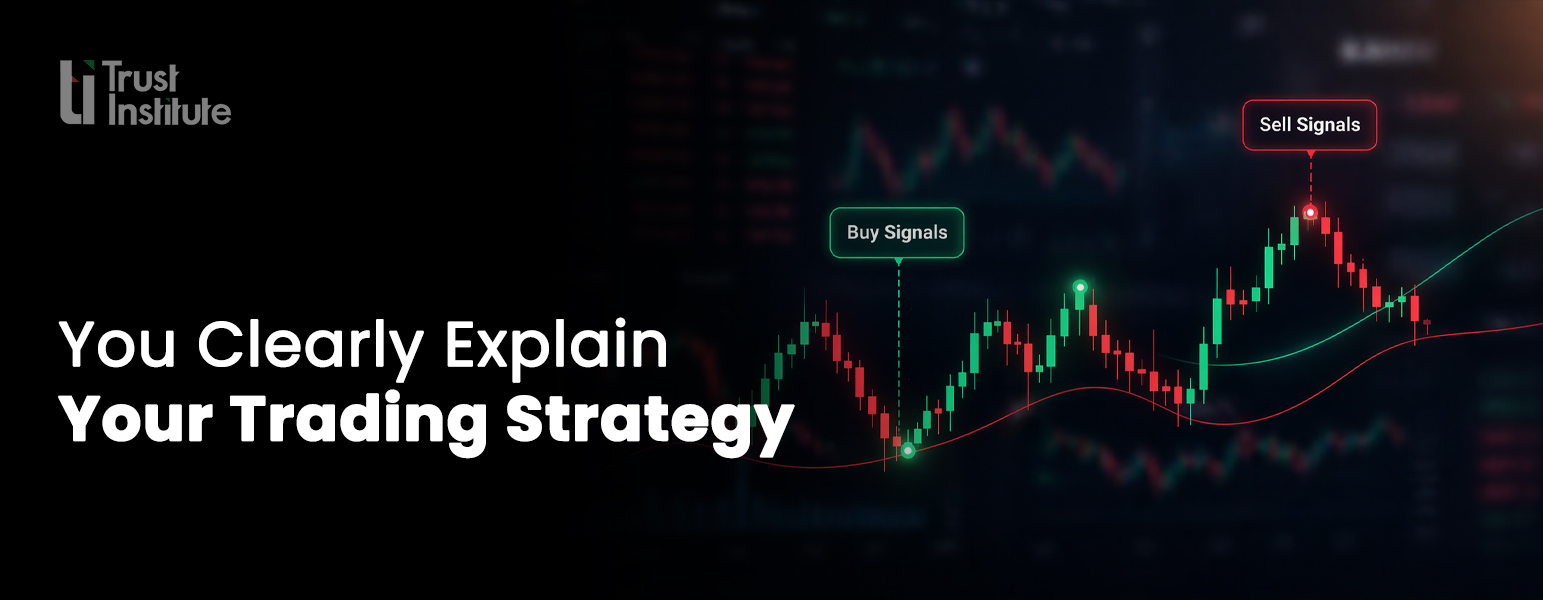
True understanding comes when you can simplify complex ideas. If you can explain your trading strategy clearly, it means you’ve moved beyond surface-level learning.
You’re on the right track if you can describe:
Clarity in your approach is one of the most practical signs of successful trading education, showing that your knowledge is structured and reliable.
Trading is not just about execution—it’s about continuous improvement. If you’re regularly studying charts, refining strategies, and learning from reliable sources, you’re progressing steadily.
Consistency in learning is one of the most effective beginner trading learning tips, and it plays a huge role in long-term success.
Recognizing these signs of good trading progress can give you confidence in your journey. Trading success doesn’t come from shortcuts—it comes from discipline, patience, and continuous learning. If you’re seeing these improvements, you’re already ahead of many beginners.
And if you’re looking to accelerate your journey with structured guidance, expert mentorship, and practical market insights, Trust Institute can help you build the right foundation. With the right support system, you won’t just learn trading—you’ll learn it the right way.

Locate Us Here


©TRUST TRAINING AND DEVELOPMENT INSTITUTE 2026
































 +971 58
530 0370
+971 58
530 0370