


As we move deeper into 2026, one question dominates financial headlines and trading desks alike: Are rate cuts coming? From Wall Street to London and Frankfurt, traders are closely monitoring every hint of policy shifts. Understanding central bank interest rate decisions is no longer optional it’s essential for anyone active in the markets.
At the heart of global markets lies central bank policy and currency markets. Institutions like the Federal Reserve, European Central Bank, and Bank of England influence liquidity, borrowing costs, and investor sentiment through monetary policy tools.
When central banks adjust interest rates, the ripple effects are immediate. These central bank interest rate decisions impact currencies, stocks, bonds, commodities, and even crypto markets. For traders, the direction of rates often determines short-term volatility and long-term trends.
If you’ve ever wondered how interest rates affect trading, the answer lies in capital flows. Higher interest rates tend to strengthen a country’s currency because investors seek better yields. Lower rates, or anticipated cuts, can weaken a currency as returns diminish.
This is why forex trading and interest rates are so closely connected. Traders analyze yield differentials between economies. For example, if the U.S. maintains higher rates while Europe cuts, the dollar may appreciate against the euro.
The impact of rate cuts on forex can be dramatic. A surprise cut often triggers sharp moves, especially if it diverges from market expectations. In contrast, a well-telegraphed decision may already be priced in, resulting in muted reactions.
In 2026, expectations of a Federal Reserve rate cut are shaping global positioning. Traders dissect every inflation report, employment number, and Fed speech. Even subtle changes in tone can shift futures markets and currency pairs within minutes.
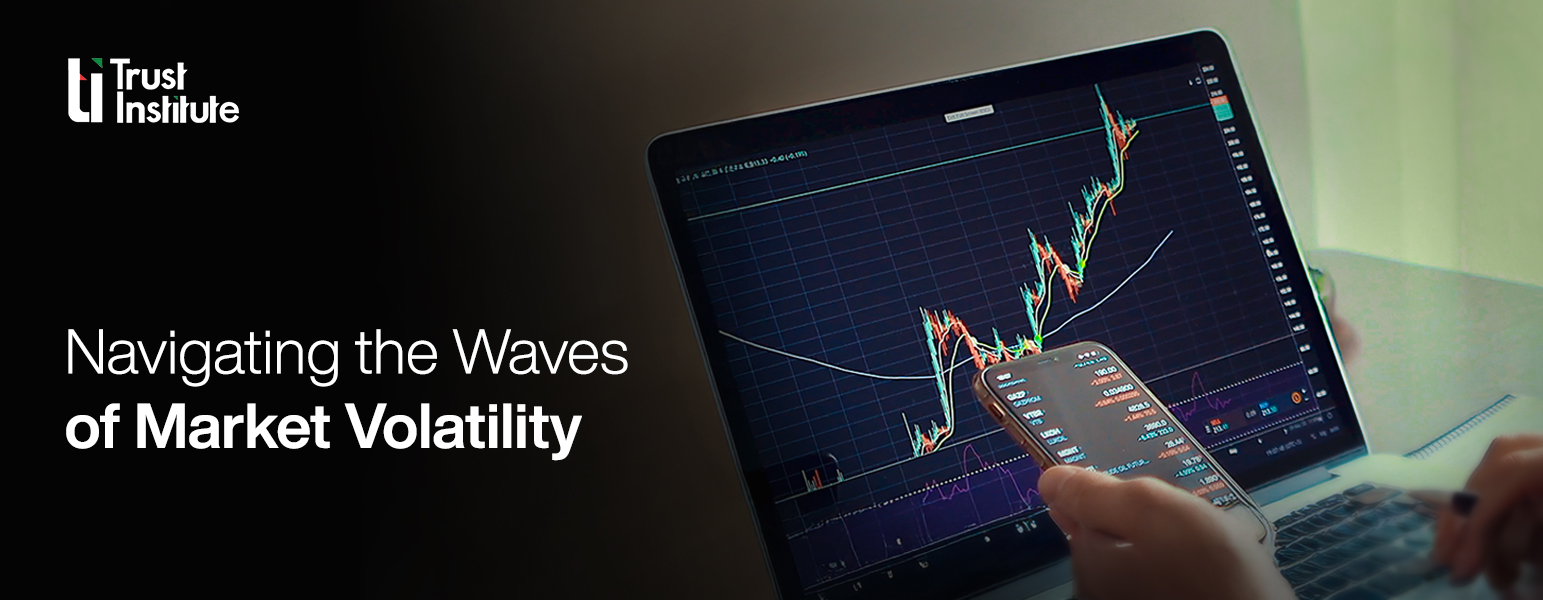
The key is not just whether a cut happens, but when and how aggressively. Gradual easing supports risk assets, while emergency cuts can spark fear and rate cuts and market volatility.
Across the Atlantic, the ECB interest rate outlook remains a focal point for euro traders. Slowing growth and moderating inflation may open the door to policy easing. Meanwhile, the Bank of England rate decision impact continues to influence GBP pairs, particularly amid fluctuating economic data.
Because monetary cycles often diverge, opportunities arise in cross-currency trades. Differences between U.S., eurozone, and UK policy paths create momentum in EUR/USD, GBP/USD, and EUR/GBP.
It’s not just currencies. Understanding how central banks affect stock market performance is critical for equity traders. Lower rates generally reduce borrowing costs, boost corporate earnings potential, and increase risk appetite. That’s why tech stocks and growth sectors often rally when cuts are anticipated.
However, if cuts signal economic weakness, markets may react negatively at first. The context behind policy shifts matters as much as the decision itself.
For active traders, trading central bank announcements requires preparation. Here are three essential tactics:
Many traders incorporate a monetary policy trading strategy that blends technical levels with macroeconomic analysis. Combining chart setups with interest rate news in forex trading improves timing and reduces emotional reactions.
The broader global interest rate outlook for 2026 suggests a transition phase. After aggressive tightening cycles in previous years, many economies now face slower growth and stabilising inflation. This backdrop fuels speculation about synchronised easing — but not all central banks will move at the same pace.
That divergence creates opportunity.
So, are rate cuts coming? Possibly. But for traders, the better question is: How will markets react when they do?
By understanding how interest rates affect trading, staying alert to central bank interest rate decisions, and adapting to shifting expectations, you can position yourself ahead of volatility rather than being caught by it.
In a world driven by policy signals, successful trading increasingly depends on interpreting what central banks say and what they’re about to do next.

Locate Us Here


©TRUST TRAINING AND DEVELOPMENT INSTITUTE 2026






















 +971 58
530 0370
+971 58
530 0370